
November 6, 2026 / Invisalign
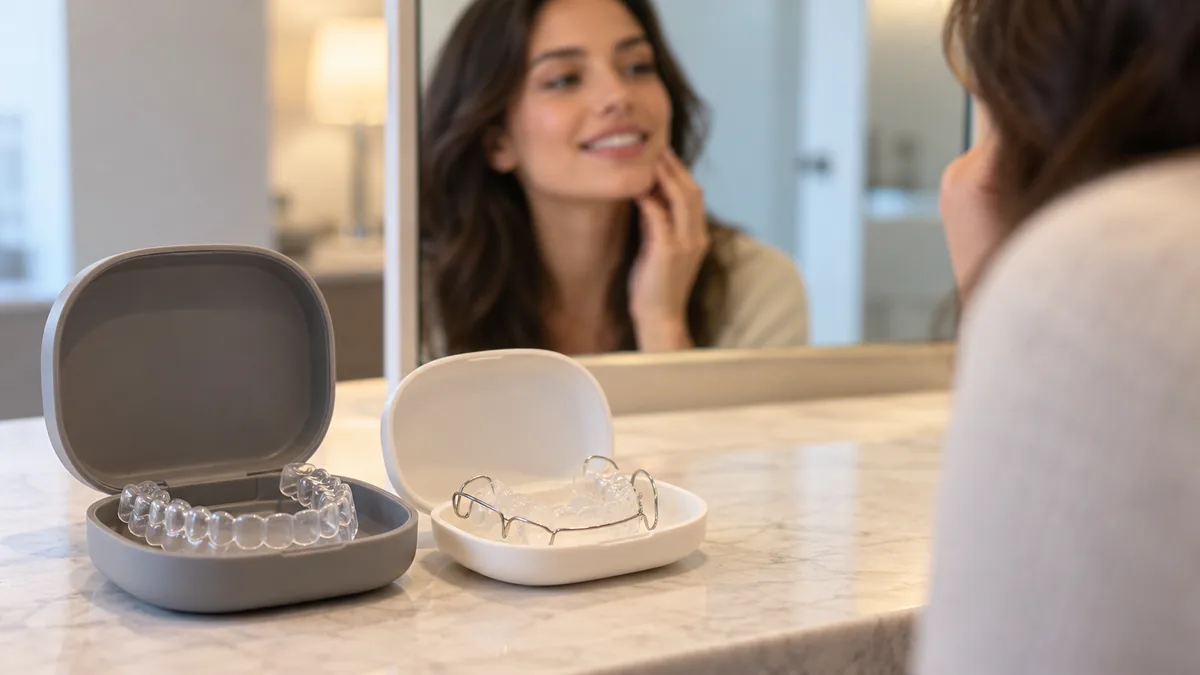
Invisalign may help some people whose teeth have moved after braces, but the right approach depends on the movement, the bite and the health of the teeth and gums. A consultation is needed to work out whether aligners are appropriate or whether another approach makes more sense.
Noticing a change can be frustrating, particularly after the time you already spent wearing braces. It does not mean you have to choose a new treatment immediately. The first step is to understand what has changed and what you would like to address.
For people considering Invisalign in Woodbridge at Napa Dental, that discussion should include previous orthodontic treatment and a plan for retention after any new treatment.
The position of teeth can change after orthodontic treatment. Retainers are used to help maintain the result, but a history of movement is not something to judge from appearance alone.
Perhaps your retainer broke, stopped fitting or became difficult to wear. You may have noticed a small gap reopening or a front tooth rotating. Sometimes the change is gradual enough that you cannot pinpoint when it began.
Explain that history honestly at your appointment. You do not need to apologise for missing records or reconstruct a perfect timeline. Knowing what you remember about your previous treatment and retainer use can still help the dentist assess the current situation.
The Canadian Dental Association’s orthodontic information explains the role of retainers after active treatment. Retention is worth discussing at the beginning of a new plan, rather than treating it as something to think about only when the aligners are finished.
An assessment considers more than the tooth that looks different in the mirror. The dentist examines the alignment of the teeth, how they meet when you bite and the condition of the gums and supporting tissues.
You will also discuss your goal. Are you concerned about one visible change, a gap or the way your teeth meet? A description of the problem is more useful than trying to prescribe the solution yourself.
Invisalign uses a series of removable clear aligners as part of a planned course of orthodontic treatment. Being removable does not make the process suitable for every case or remove the need for monitoring. The dentist must first determine which movements are appropriate and whether other care is needed.
Previous braces are relevant background, but they do not guarantee eligibility for aligners now. Your current dental health and treatment needs may differ from those you had during your first course of orthodontics.
Clear aligners may be discussed when the dentist determines that the proposed movement can be managed appropriately with them. In other circumstances, different orthodontic care, treatment of an oral-health issue or further assessment may be needed.
A retainer and an active aligner plan have different purposes. Do not assume that an old retainer can safely reverse whatever movement has occurred. If it no longer seats properly or is painful, do not force it into place. Bring it to the appointment and ask for advice.
You may also learn that a change does not need to be treated in the way you expected. The decision should include your preferences, the assessment findings, the limits of each option and the practical demands of treatment.
Ask what the dentist expects a proposed plan to address and what it would leave unchanged. That can prevent a mismatch between wanting a small cosmetic adjustment and being offered treatment with broader goals.
Bring your old retainers if you still have them, including any damaged ones. If you know the name of the practice that provided your braces, share that information and ask whether previous records would be helpful.
Make a short note of the changes you have noticed. Include whether the retainer has become tight, whether your bite feels different and whether a particular tooth or gap concerns you.
It is also useful to explain what wearing removable aligners would mean for your routine. Ask how wear, cleaning, meals, appointments and follow-up would work under the proposed plan. Discuss the actual instructions you would receive rather than relying on someone else’s treatment schedule.
Before agreeing to treatment, clarify the estimated fees, what is included and how further treatment needs would be discussed. If benefits are involved, confirm your plan’s terms rather than assuming a previous orthodontic allowance is still available.
A new course of aligners should come with a conversation about what happens afterward. Ask what retention would involve and how you would know when a retainer needs attention.
The plan may include a particular retainer and a wear schedule tailored to your circumstances. Follow the instructions you receive rather than borrowing another person’s routine.
Think about the practical side as well. Where will you store the retainer? Who will you contact if it cracks or stops fitting? What follow-up is recommended? Having those answers makes it easier to respond to a problem before you are left guessing.
Retention does not justify a promise that teeth can never move again. It is part of maintaining the result and staying in contact with the dental team when changes occur.
You can keep the discussion focused with a few questions:
If you are uncertain about starting again, say so. The consultation can help you understand the commitment and alternatives before you decide.
Do not force a retainer that will not seat properly or causes pain. Contact your dentist or orthodontic provider and bring it for assessment. The appropriate next step depends on the retainer and the changes in your teeth.
It may be an option, but a change that looks small is not enough to establish suitability. The dentist still needs to consider your bite, oral health and the movement required.
It might, but previous treatment does not establish the duration of a new plan. The amount and type of movement, treatment approach and progress all affect the discussion. Ask for an estimate based on your assessment.
Retention should be part of the conversation about any new orthodontic treatment. Ask what is recommended for your case and how to care for the retainer. Do not assume that completing a second course removes the need for ongoing retention.
No. A dentist can help you understand whether a change raises a functional or oral-health concern and what options are available. Your preferences also matter when deciding whether to address a cosmetic change.
If your teeth have shifted after braces, contact Napa Dental to arrange an assessment. The practice is at 75 Napa Valley Avenue, Unit 5, in Woodbridge. Bring your retainer and questions so you can discuss what has changed and whether Invisalign or another approach may fit your needs.
© 2026 Napa Dental| All Rights Reserved - Website design by Vitamin D - Marketing & Design